

Why I Miss My Old BlackBerry (and Why Modern Smartphones Just Don’t Compare)
📰 Published on: 2024-09-xx | Author: [Your Name]
🔗 Source: www.makeuseof.com


Recently, I’ve found myself looking at my current smartphone and reflecting on just how far we’ve come since my favorite device back in 2009. I used to rely on a BlackBerry Bold 9700, and the contrast between that focused, utilitarian experience and today’s everything-in-one devices is hard to ignore.
I Miss the Tactile Satisfaction of a Physical Keyboard
Nothing compares to the feeling of typing on a BlackBerry keyboard. Those tiny, perfectly sculpted keys were a joy to use—functional and satisfying. Each press gave immediate feedback, letting my fingers know exactly when a letter had registered. I could type with confidence, speed, and, most importantly, accuracy.
I used to write entire emails on my phone while walking down the street, never once looking at the screen. I can’t say the same for my current phone, the Galaxy S22 Plus—if I tried that now, the message would probably look like it was typed during an earthquake. While you can connect a USB keyboard to an Android phone, it’s hardly practical unless you’re sitting still.
Haptic feedback on modern phones tries to simulate the feeling of pressing a real button, but it’s like comparing a photograph of food to an actual meal. You’re constantly second-guessing whether you hit the right key, squinting at tiny letters, and watching autocorrect turn “meeting” into “metering.” (Though, granted, there are ways to minimize autocorrect fails.)
My BlackBerry Bold Was So Durable, I Didn’t Even Need a Case
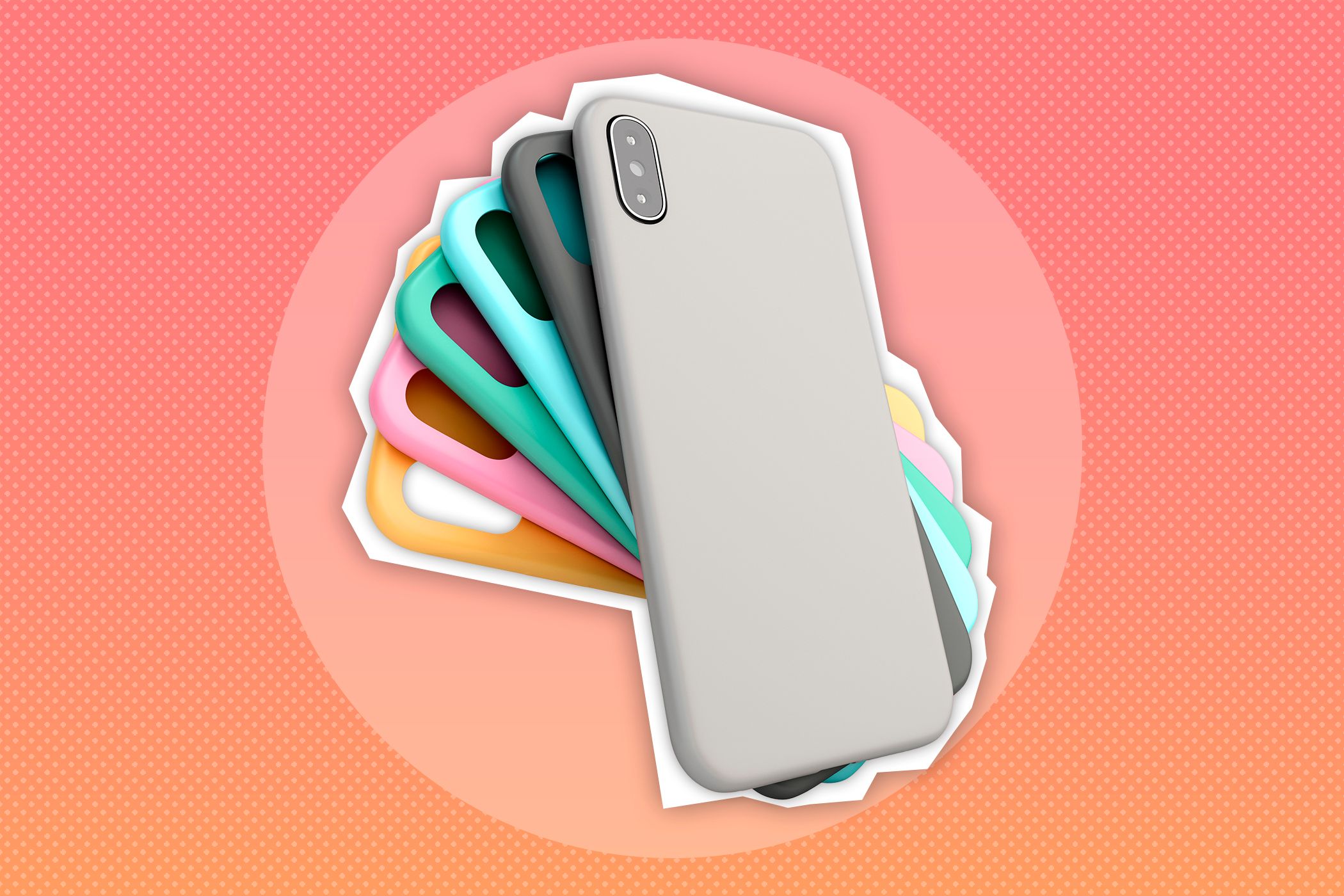
One of the things I miss most about my BlackBerry was how absurdly tough it was. I never worried about dropping it. It could tumble out of my hand, bounce off the pavement, and get stepped on without me worrying about spiderweb cracks.
After years of use, the corners showed some wear, but the screen stayed intact, nothing came loose, and it kept working like new. It had a solid build: a stainless steel frame, a faux-leather back, and just enough weight to feel reassuring in the hand.
By contrast, today’s phones are like glass sandwiches held together by anxiety, screen protectors, and phone cases. We’ve normalized the idea that from the moment you unbox your $1,000+ device, you need to wrap it in silicone or leather and slap tempered glass on the screen just to survive daily life.
As our iPhone 16 review found, the phone is glossy and beautiful—but so fragile that dropping it without a case or screen protector is practically an act of vandalism against your wallet.
BBM Was a Messaging Platform That Felt Personal and Powerful
Before the explosion of messaging apps like iMessage, WhatsApp, Signal, and Telegram, there was BlackBerry Messenger (BBM)—and it did the job beautifully. It was clean, fast, and focused. You’d send a message and instantly know when it was delivered and when it was read. Features like message deletion and timed disappearing messages were already there, long before they became trendy elsewhere.
There were no random suggested contacts, no ads, and no endless GIF suggestions. Unfortunately, BlackBerry Messenger was officially discontinued in 2019.
One of BBM’s most underrated strengths was its PIN system. It worked like a username, but without tying your identity to a phone number or email address, which meant you could maintain a high level of privacy. If you wanted to chat with someone, you had to exchange PINs and mutually accept the connection. Your number and email were irrelevant to the chat itself.
Compare that to today’s messaging landscape, which is fragmented and sometimes frustrating. You need different apps for different groups, notifications are scattered, and it’s not unusual to receive messages (often scams) from total strangers. Half the time, you’re not sure where to reply or even if your message was seen.
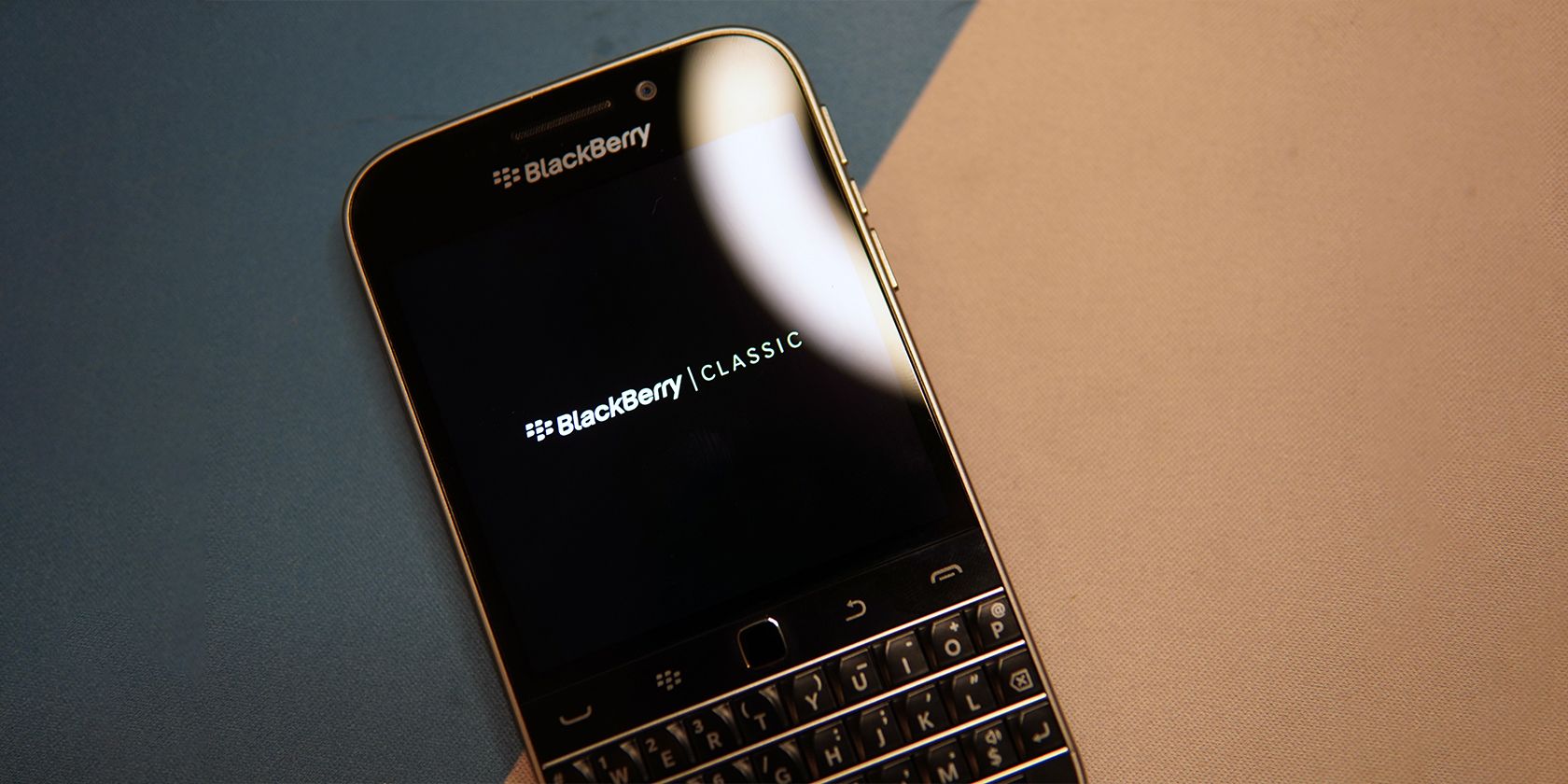
BlackBerry rode the massive highs, but has long embraced the crushing lows.
Swappable Batteries Meant I Never Worried About Battery Life
This might be the feature I miss most: the ability to swap out a dead battery for a fresh one in about 10 seconds. I used to carry a couple of fully-charged spares, and whenever one ran low, I’d just swap it out. No need for power banks or hunting for outlets.
Now, smartphone manufacturers have convinced us that sealed batteries are somehow better. But after a few years, your battery life is much worse than when the phone was new. At that point, your only option is to replace the entire phone or pay for an expensive battery replacement.
To be fair, not every BlackBerry had a fully swappable battery. Later models like the Key2, Z10, Z30, and Passport required more effort and careful disassembly. But even then, battery replacement felt more doable than with today’s glued-shut designs.
The Notification LED Gave Me What Many Modern Phones Don’t
The BlackBerry notification LED was a tiny feature that made a massive difference. That small, multicolored light could tell you everything you needed to know from across the room: red for messages, green for network, blue for Bluetooth. You could glance at your phone and immediately know if anything important required attention—no need to pick it up or unlock the screen.
It got even better with third-party apps like BeBuzz, letting you assign different colors and blinking patterns to specific notifications or contacts. Just a glance, and you’d know exactly what kind of alert had come in.
Most modern smartphones have abandoned this kind of subtle, glanceable feedback. Instead, we get pop-ups, vibrations, or always-on displays that constantly pull us back into our screens. My Samsung Galaxy still offers edge lighting, and some older Samsung models support LED camera cutout notifications, but even that feels like a watered-down version of what BlackBerry had.
The iPhone never had anything like this, so every ping or buzz demands you stop what you’re doing and check—whether it’s important or not.
I’m not suggesting we throw out all the progress we’ve made and rewind to 2009. Modern smartphones are undeniably impressive: packed with cameras, apps for everything, and processing power that outpaces old desktop computers.
But I miss the BlackBerry line for what it represented: a focused, purpose-built device that prioritized communication, reliability, and thoughtful design.